
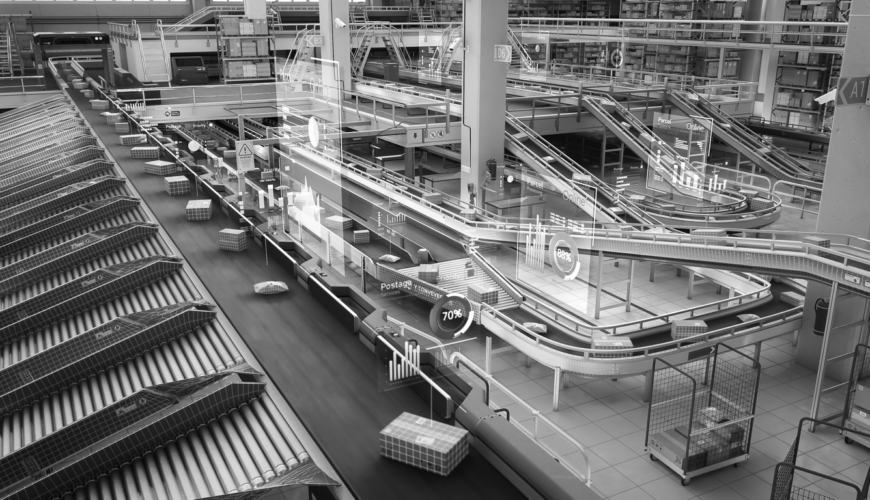
A modern supply chain is far more than the movement of goods from one place to another. It is a coordinated network of processes, decisions, and relationships that allow businesses to meet customer demand efficiently and competitively. As markets become more global and expectations rise, the supply chain has evolved into a strategic advantage rather than a simple operational necessity.
9 Functions of the Modern Supply Chain
Demand Planning and Forecasting
Every effective supply chain begins with an understanding of demand. Companies rely on demand planning to anticipate what customers will need, when they will need it, and in what quantity. Accurate forecasting helps organizations avoid overstocking, reduce shortages, and plan production schedules with greater confidence. Modern approaches integrate historical data, market trends, and advanced analytics to create a more reliable picture of future demand.
Procurement and Supplier Management
Once demand is understood, businesses must secure the materials, components, or products required to fulfil it. Procurement involves selecting suppliers, negotiating contracts, and ensuring that purchased goods meet quality, cost, and delivery expectations. Strong supplier relationships are essential because they enable better collaboration, more favorable pricing, and improved reliability. In today’s environment, ethical sourcing and sustainability are increasingly crucial in procurement decisions.
Production and Manufacturing
Production is where products take shape, whether through assembly, fabrication, or packaging. The focus in modern manufacturing is on efficiency, flexibility, and quality. Many organizations adopt lean practices to reduce waste and increase workflow efficiency. Technology plays a significant role in this area, with automation, robotics, and digital monitoring allowing manufacturers to maintain consistency while adjusting quickly to changes in demand or supply constraints.
Inventory Management
Inventory acts as a buffer between the uncertainties of supply and demand. Managing it effectively requires balancing the cost of holding stock with the risk of running out. Modern inventory management relies on real-time visibility across warehouses, distribution centers, and retail locations. Companies use systems that track stock levels, monitor turnover rates, and automatically trigger replenishment. With greater transparency, businesses can carry less inventory while still protecting service levels.
Warehousing and Storage
Warehousing involves the safe and efficient storage of goods until they are needed. A well-run warehouse ensures that products are received, checked, stored, and retrieved in a smooth and organized manner. Today’s warehouses often incorporate advanced technologies such as automated picking systems, barcode scanning and intelligent layouts to improve speed and accuracy. The goal is to keep goods flowing without unnecessary delays or handling.
Transportation and Logistics
Transportation is the movement of goods from origin to destination, whether by road, rail, sea or air. It is one of the most critical and cost-intensive functions of the modern supply chain. Effective logistics management ensures that products arrive on time, in good condition, and at the lowest possible cost. Route optimization, carrier selection and visibility tools help companies track shipments in real time and respond quickly to disruptions. As customer expectations rise, last-mile delivery has also become a significant focus area.
Order Fulfilment
Order fulfilment is where the modern supply chain interacts directly with the customer. It includes processing orders, picking and packing products, and delivering them within promised timeframes. Strong fulfilment operations contribute to customer satisfaction and repeat business. Many companies are investing in fulfillment centers located closer to consumers and using flexible delivery options to increase convenience and speed.
Returns and Reverse Logistics
Returns are an inevitable part of commerce, and managing them efficiently is essential for maintaining customer satisfaction and controlling costs. Reverse logistics involves receiving returned goods, inspecting them, restocking when possible, and disposing of or recycling items that cannot be resold. As sustainability becomes a key concern, businesses are paying more attention to how returned products are handled to reduce waste and recover value.
Technology and Data Integration
Technology underpins nearly every function of the modern supply chain. Integrated systems allow different departments and partners to share information and coordinate activities. Data analytics, artificial intelligence and digital platforms enhance visibility, enable faster decision-making and help identify areas for improvement. Technologies such as RFID, IoT sensors, and cloud-based platforms provide real-time monitoring, while advanced planning tools help optimize operations from end to end.
The Complex Modern Supply Chain
A modern supply chain is a complex yet carefully orchestrated system. Each function plays a distinct role, but true success comes from how well they work together. Companies that invest in strategic planning, strong partnerships and advanced technologies can build modern supply chains that are resilient, efficient and capable of delivering exceptional value to customers.