
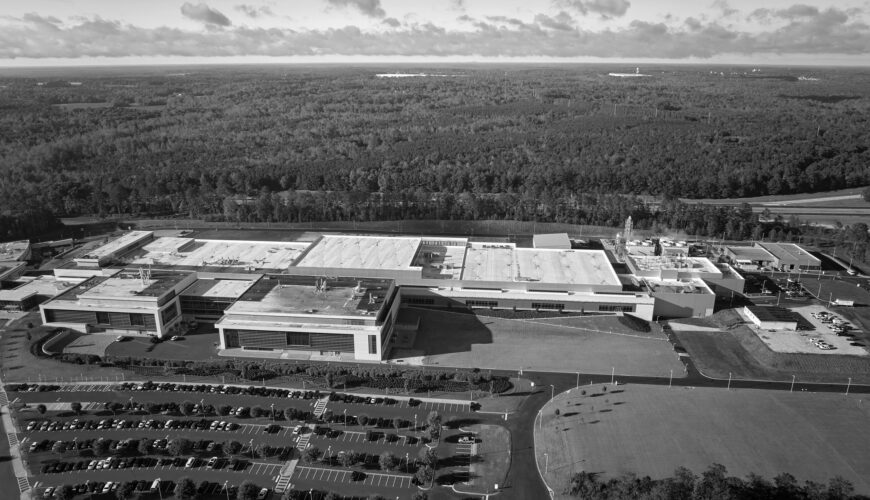
You can tell a lot about a distribution network just by where its buildings sit on the map. The DC location has this quiet but stubborn influence on everything from how fast product moves to how happily customers talk about you. The building itself could be sparkling new with clever automation humming away, but if it’s planted in the wrong place, the whole operation feels like it’s pushing uphill.
The Throughput Ripple Effect
Throughput isn’t only about equipment, slotting, or how many boxes your team can push down a conveyor. Geography sneaks into the numbers. A DC location that’s surrounded by congestion or too far from key transportation corridors ends up at the mercy of traffic patterns and carrier cut-off times. Suddenly, the most efficient picking process in the world can’t compensate for late trailers or inconsistent inbound flow.
When a DC is placed closer to major interstates, ports, or rail hubs, the rhythm of the operation changes. Inbounds show up more predictably. Outbounds leave with breathing room instead of panic. Even your planning team feels the difference because forecasting stops feeling like guesswork and starts feeling like physics. The whole facility settles into a smoother, more repeatable cadence, which quietly pushes throughput upward without anyone celebrating a single new piece of hardware.
Labor Lives and Breathes Geography Too
Labor availability is one of those topics people pretend is just about wages, but the truth is more stubborn. The labor pool that surrounds your DC location dictates who walks through the door, how long they stay, and how hard you have to work to keep them. Put a building in a labor-rich region, and training classes fill up, retention stabilizes, and productivity rises simply because people aren’t cycling in and out faster than you can print badges.
Drop a facility into an area with high competition or limited population density, and suddenly every shift feels like a scramble. Teams burn out. Supervisors end up acting as professional firefighters. Operations leaders spend more time thinking about headcount than throughput, which is not a mindset any network wants.
The commute matters too. If workers have to fight an hour-long drive just to clock in, they’ll find somewhere closer—even if it pays less. A well-placed DC location respects the realities of the local workforce, and that respect shows up quietly in performance metrics long before anyone announces a new policy or incentive program.
Customer Service Starts Much Earlier Than Delivery Day
Customer service might seem like the last stop in the chain, but the seeds of good service are planted the moment you decide where the DC sits. A centrally located facility can hit more customers in less time, offering shorter lead times without needing heroics from carriers. That kind of geographical advantage feels like magic to customers: orders arrive earlier than expected, backorders disappear faster, and urgent shipments become routine instead of stressful.
A poorly placed DC, on the other hand, forces customer service teams into awkward conversations. Transit times stretch. Cutoff windows shrink. Express shipping becomes the default because standard shipping simply can’t keep up. Customers don’t blame the map, of course. They blame the brand. And suddenly, what was merely a location issue becomes a reputation issue.
The interesting part is how location influences flexibility. A DC location near major markets or transportation chokepoints can pivot faster when demand surges or disruptions appear. The closer you are to your customer base, the more forgiving the network becomes. Geography creates a buffer—a time buffer, a cost buffer, and an emotional buffer. Customers feel that long before they ever know a distribution center exists.
The Real Story: DC Location Shapes Everything Quietly
Great locations don’t advertise themselves, but you can feel them. Operations run cleaner. Costs behave. Teams stick around. Customers stay happy. Poor locations don’t announce themselves either. They just show up as chronic inefficiencies, high turnover, and service issues that keep resurfacing, no matter how clever the fixes.
Choosing a DC location site is one of those decisions that rewards humility. You’re not just picking land; you’re choosing the advantages and handicaps your organization will live with for years. When you get it right, the whole network feels like it’s breathing easier. And when you don’t, no amount of optimization ever quite makes up for it.