
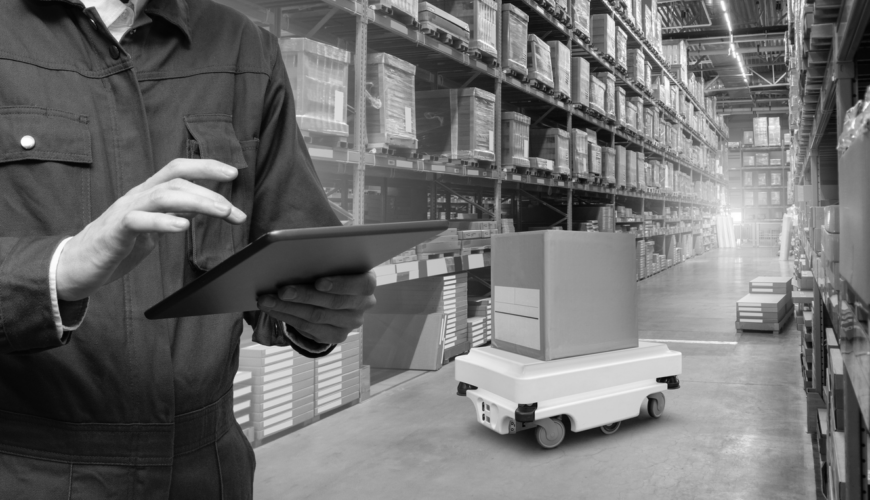
Pedestrian–vehicle separation delivers measurable operational gains. Modern distribution centers (DCs) are evolving rapidly to meet the demands of speed, safety, and efficiency. One of the most critical aspects of this evolution is the design principle of pedestrian–vehicle separation, which aims to eliminate shared spaces between people and material-handling equipment. This concept is not just a safety measure; it’s a strategic blueprint for creating zero-intersection facilities that optimize workflow and reduce risk.
The Case for Pedestrian–Vehicle Separation
In traditional DC layouts, pedestrians and vehicles often share aisles, staging areas, and dock zones. While this may seem efficient from a space-utilization perspective, it introduces significant hazards. Forklift-related accidents remain one of the leading causes of workplace injuries in logistics environments. Beyond the human cost, these incidents result in operational downtime, insurance claims, and reputational damage.
By designing facilities where pedestrian and vehicle paths never intersect, companies can dramatically reduce these risks. This approach aligns with the broader industry trend toward Safety by Design, where risk mitigation is embedded into the physical infrastructure rather than relying solely on behavioral compliance.
Dedicated Zones
Pedestrian activity should be confined to clearly defined zones such as offices, break rooms, and observation platforms. These areas must be physically separated from operational spaces using barriers, walls, or mezzanines.
Controlled Access Points
Where pedestrian access to operational areas is unavoidable, such as maintenance or quality checks, controlled entry systems should be implemented. This includes gated crossings, visual alerts, and lockout protocols to ensure vehicles are stationary before entry.
Elevated Walkways
One of the most effective solutions is the use of overhead walkways or catwalks. These structures allow personnel to move across the facility without ever stepping into forklift traffic lanes, preserving both safety and workflow continuity.
Intelligent Traffic Flow
Vehicle routes should be designed for one-way movement wherever possible, minimizing congestion and blind spots. Incorporating automated guided vehicles (AGVs) or autonomous mobile robots (AMRs) further reduces unpredictability in traffic patterns.
Technology as an Enabler
Modern DCs leverage technology to reinforce separation strategies. Real-time location systems (RTLS) can track both pedestrians and vehicles, triggering alerts when proximity thresholds are breached. Similarly, geofencing and wearable devices provide an additional layer of protection, ensuring compliance even in dynamic environments.
Automation also plays a pivotal role. By replacing manual forklifts with AMRs for pallet transport, facilities can reduce the need for human intervention in high-traffic zones, moving closer to a fully autonomous material-handling ecosystem.
Operational and Cultural Benefits
Beyond safety, pedestrian–vehicle separation delivers measurable operational gains. Clear traffic flows reduce congestion, improving throughput and cycle times. Employees experience greater peace of mind, fostering a culture of safety and accountability. This cultural shift often translates into higher retention rates and stronger engagement, a critical advantage in an industry facing labor shortages.
Pedestrian–Vehicle Separation & the Future of DC Design
As e-commerce growth accelerates and customer expectations for rapid fulfillment intensify, the pressure on DCs will only increase. Zero-intersection design is not a luxury; it is becoming a necessity for organizations committed to operational excellence and workforce well-being.
Forward-thinking companies are already incorporating these principles into greenfield projects and retrofitting existing facilities. The ultimate goal is clear: a distribution center where pedestrians and vehicles coexist without ever crossing paths, a blueprint for safety, efficiency, and resilience in the modern supply chain.