
The alphabet soup of supply chain technology keeps expanding, with new tools flooding the marketplace seemingly every month. Machine learning, AI, digital twins, and blockchain all promise transformation, and it can be hard to know where any of them actually fit. It is easy to get caught up in technology for technology’s sake. The better approach is to start with a solid operational and technology foundation, understand what each option really does, and only then layer on something new when it solves a problem you actually have.
Blockchain has long been one of the most confusing terms on that list, partly because so much of the early conversation was tangled up with cryptocurrency. Set the crypto noise aside and the idea is simple. A blockchain is a shared digital ledger that lets multiple parties in a supply chain record and verify assets as they move from one stop to the next. Instead of each company keeping its own separate records that have to be reconciled later, everyone with permission sees the same verified information at the same time. Once an entry is added, it cannot be quietly changed or deleted without agreement from the network, which is what gives the record its trustworthiness.
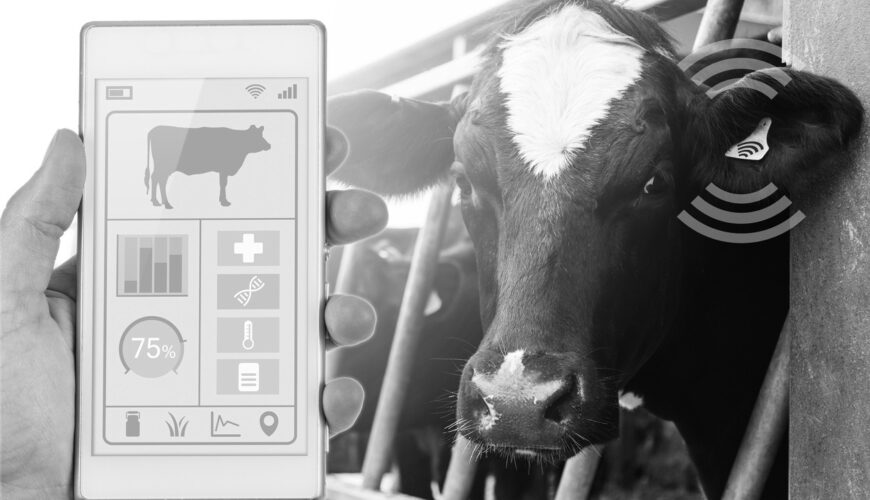
A well-known example is Beefchain, a Wyoming-based meat-tracking system. It starts with ranchers, who upload information about their cattle through RFID tags, creating transparency on each animal as it moves through the supply chain. By the time product reaches the customer, there is a verifiable record of the age and origin of the beef. That same pattern now runs across many industries. Luxury brands use the Aura Consortium to prove the authenticity of goods for names like Louis Vuitton and Prada. Walmart and Maersk have used blockchain for food and shipping traceability. Pharmaceutical companies are leaning on it to meet track-and-trace requirements and to fight counterfeit medicine.
What has changed since the early hype
The most important shift is that blockchain has quietly moved from pilot projects to production systems, at least in the areas where it earns its keep. Enterprise adoption is real but still a minority position among large companies, and it is heavily concentrated. Financial services and supply chain together account for the large majority of live production deployments, while outside those two sectors most blockchain initiatives remain experimental. In other words, supply chain is one of the few places where this technology has genuinely proven itself, which is exactly why it belongs on your radar and not in the discard pile.
Two forces pushed it over that line. The first is regulatory clarity, as newer frameworks in Europe and clearer guidance in the United States removed much of the legal uncertainty that kept enterprises on the sidelines. The second is that companies stopped treating blockchain as a magic transformation and started treating it as infrastructure for specific problems. The winning use cases tend to share a profile. They involve many parties who do not fully trust each other, a real need for a verified shared record, and a painful cost when that record is wrong, whether that cost shows up as a recall, a counterfeit, a compliance failure, or a slow settlement.
Where it creates real value
The clearest returns cluster around a few areas. Traceability is the headline case, giving you the ability to follow a product from origin to shelf and pinpoint problems fast when something goes wrong. Smart contracts, which are simply rules that execute automatically when agreed conditions are met, take manual steps out of invoicing, payments, and compliance checks. A payment can release the moment goods are confirmed delivered, without a human chasing paperwork. Supply chain finance has been another strong performer, where shared verified records speed up trade finance and reduce the fraud and double-financing that come from siloed documents. Blockchain also pairs naturally with IoT sensors and increasingly with AI, where the sensor captures the data, the ledger makes it tamper resistant, and the algorithms act on it by predicting delays or triggering a reroute.
Where it still struggles
Blockchain is not a universal answer, and honest evaluation matters more than enthusiasm. The most stubborn limitation is what specialists call the oracle problem. Traceability is only as reliable as the data entered into it, so if a supplier uploads inaccurate or fraudulent information at the point of origin, the ledger preserves that error permanently. A permanent record of bad data is still bad data. On top of that, the whole model only works when enough partners participate. True end-to-end traceability requires adoption across supply chain participants, not just one or two. Integrating with existing ERP, WMS, and TMS systems takes real effort, and the change management, training, and governance work is often larger than the technology work. Many initiatives stall not because the technology fails but because the organization underestimated what it takes to get suppliers, carriers, and partners aligned on shared rules.
How to think about it
If you are weighing blockchain, resist the urge to lead with the technology. Start with the problem. Do you have a multi-party record that is constantly disputed, a traceability requirement you cannot currently meet, or a settlement process bleeding time and money to intermediaries? If so, blockchain may be a strong fit, and you should define what success looks like and how you will measure it before you deploy, not six months after. If you cannot point to a specific pain that a shared, tamper-resistant, multi-party ledger uniquely solves, the honest answer is that your money is probably better spent shoring up the foundational systems and processes underneath. Blockchain rewards discipline and punishes hype, which makes it a good test of whether any new technology truly belongs in your operation.
About OPSdesign
OPSdesign Consulting® helps companies design supply chains and distribution operations that perform, independent of any vendor or technology agenda. We evaluate tools like blockchain, automation, and AI on one question: whether they solve a real problem for your operation. If you are trying to sort the genuinely useful from the merely trendy, we can help you make that call with clarity.